Pavlinum at PROJECTOR 10.0: from an idea to a business model and pitch
A team case at PROJECTOR 10.0: a clothing selection and delivery service, MVP materials, the user journey and a business model calculation.
Context
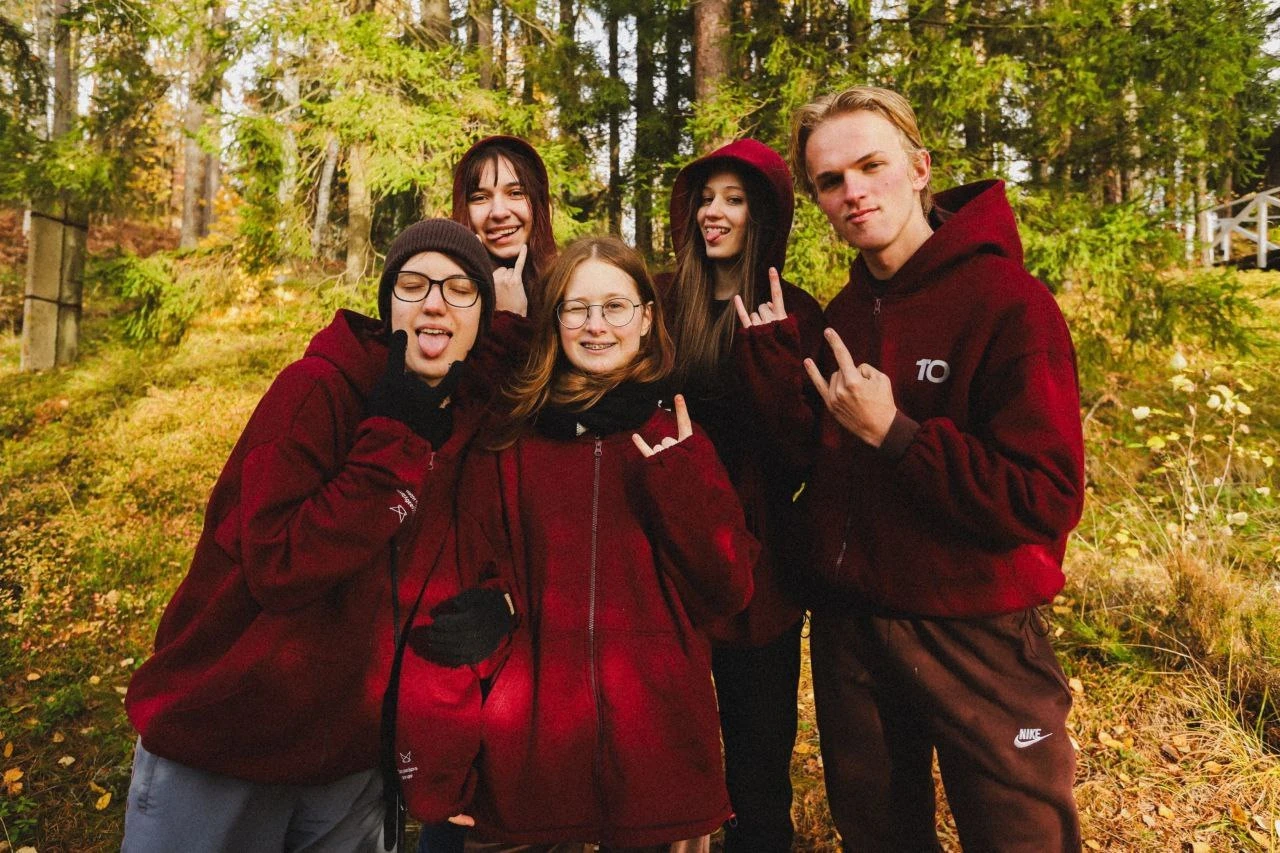
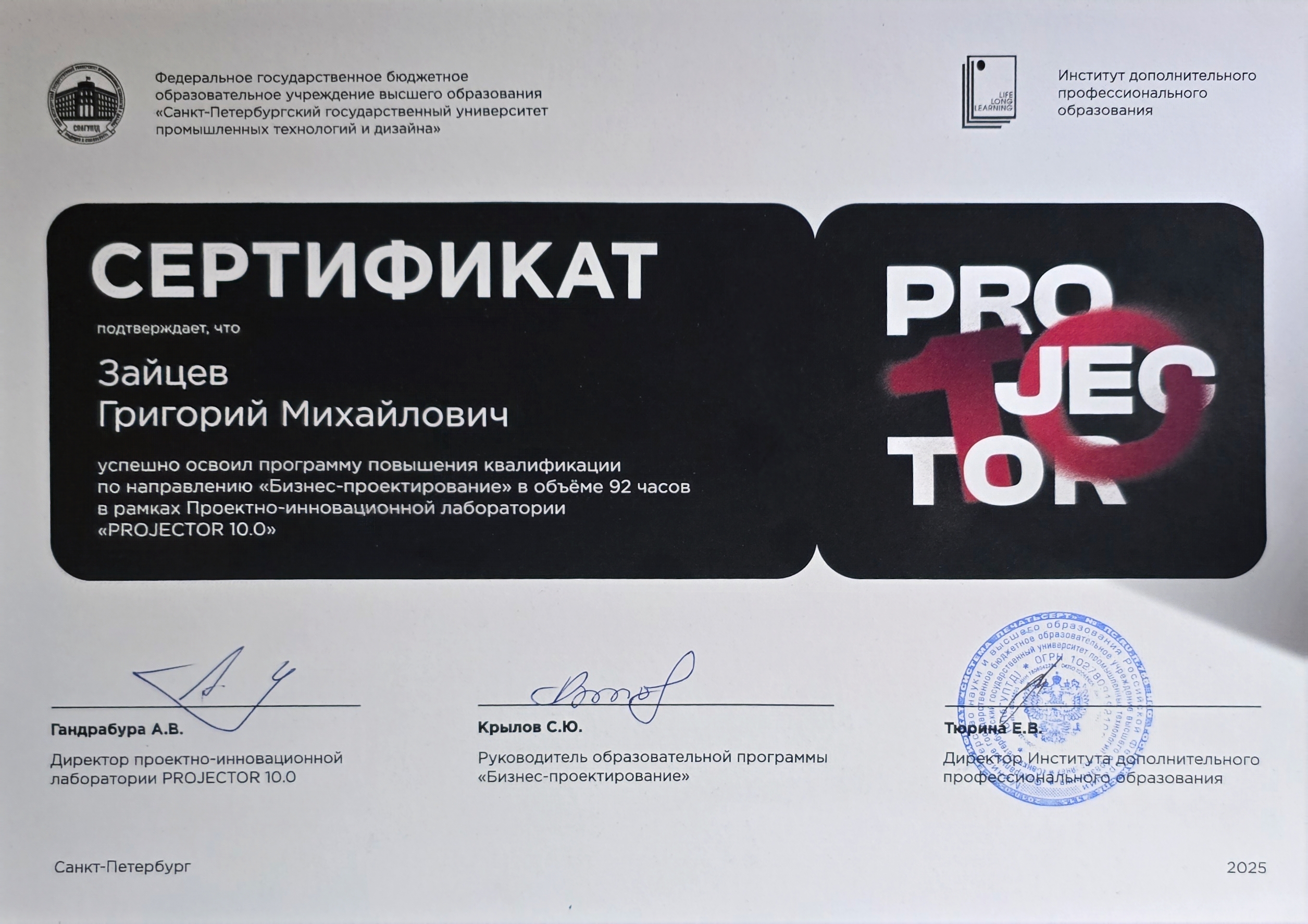
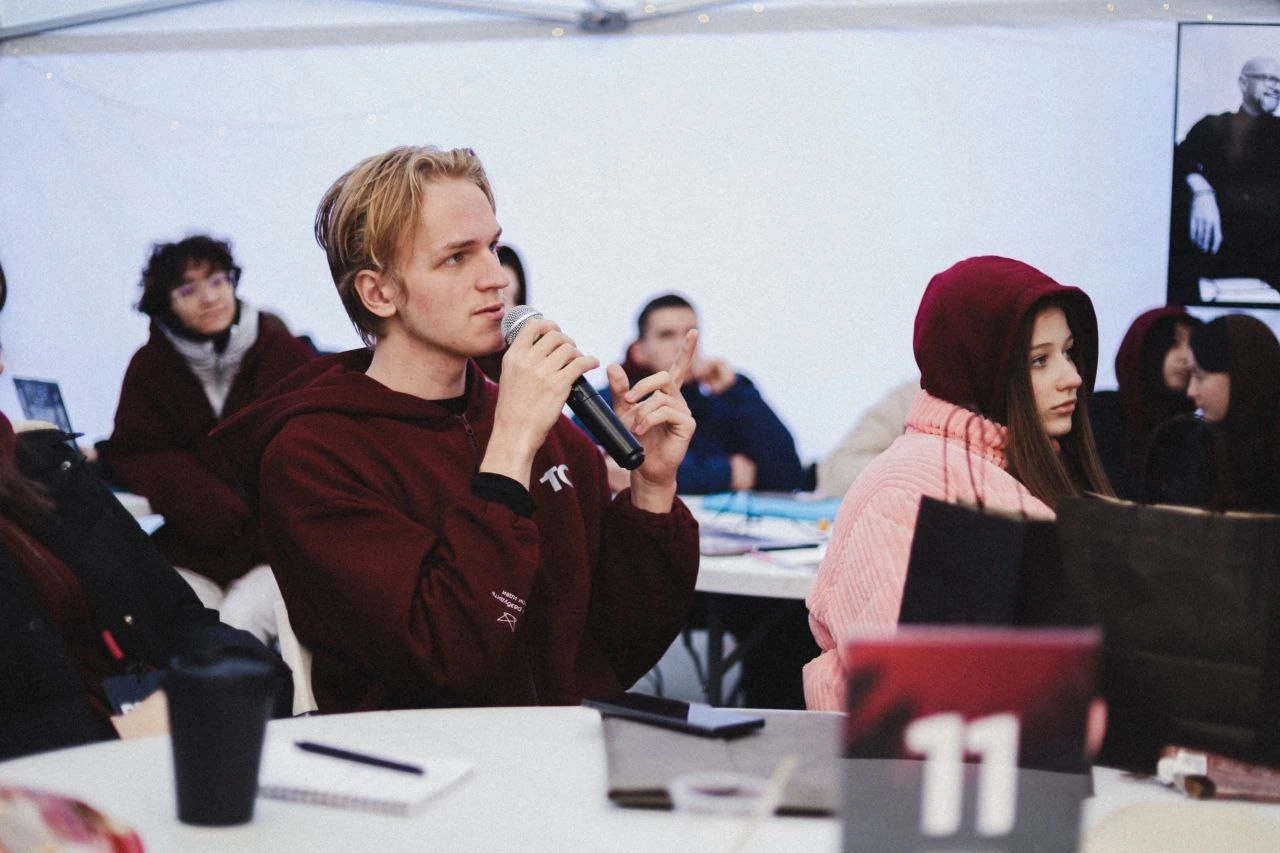
In 2025 I completed PROJECTOR 10.0, a business design programme at Saint Petersburg State University of Industrial Technologies and Design. It included 92 hours of training, team projects, pitches and feedback. After selection our team took part in an intensive in Streltsovo from 15 to 19 October.
Our project was Pavlinum, a service for selecting and delivering trending clothes. The working concept connected finding clothes for your own style, curated selections and small drops. In the programme we worked out who needs it, how it would attract an audience and how it could earn money.
The problem and the offer
The hypothesis rests on the time and effort a person spends finding clothes for their style. Catalogues are huge, collections often look alike, and following new aesthetics and small brands alone is hard.
Pavlinum was meant to help through selection: spotting new aesthetics, putting together collections and giving access to independent brands. Small drops added limited collections with a clear character.
In the working concept we considered combining curators’ taste with AI analysis of visual trends as a direction for the product.
From the audience to the project canvas
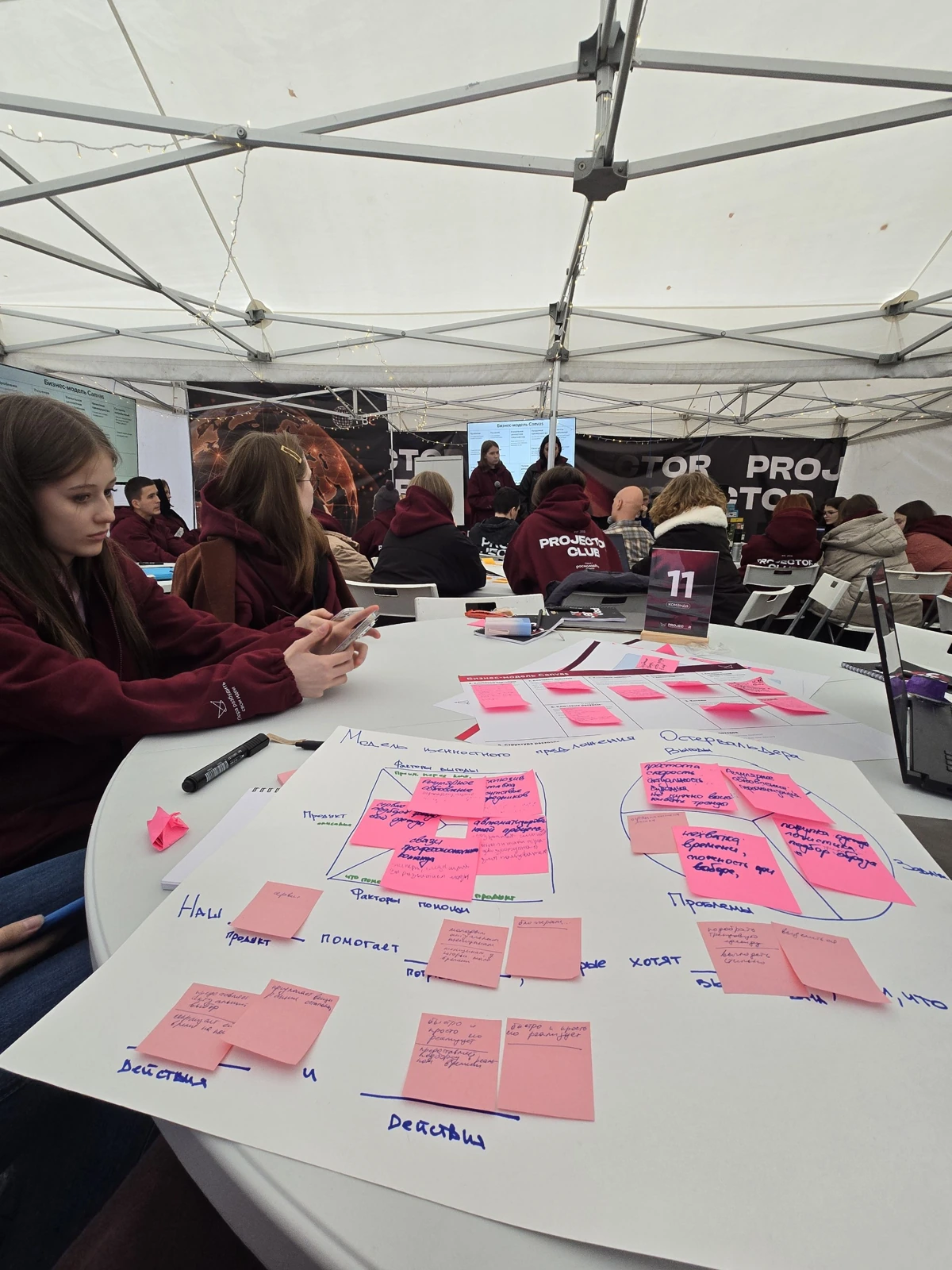
On 17 October we worked with a map of the audience and stakeholders. For a product like this, a buyer, a stylist, a content author and a partner brand can play different roles. So we had to work out who chooses the clothes, who helps find the audience and who supplies the range.
On 18 October we built a detailed working canvas. It linked the offer to audience segments, acquisition channels and ways of earning. The main parts of the concept are below.
| Part of the model | What we considered for Pavlinum |
|---|---|
| Audience | People who care about their own style and easy search; stylists and creators |
| Value | Curated selection, new aesthetics, small drops and access to independent brands |
| Acquisition | A Telegram storefront, visual content, Pinterest and small authors |
| Revenue | Sales of own drops, commission from partner brands, early access and collaborations |
| What to measure | Margin, orders, repeat purchases and the move from interest to purchase |
The canvas helped show dependencies. If you offer a limited drop, you have to connect the selection of items, production or partners, content and the release date. If the main product is a selection, you have to understand why someone will trust a curator and come back for the next one.
MVP and the user journey
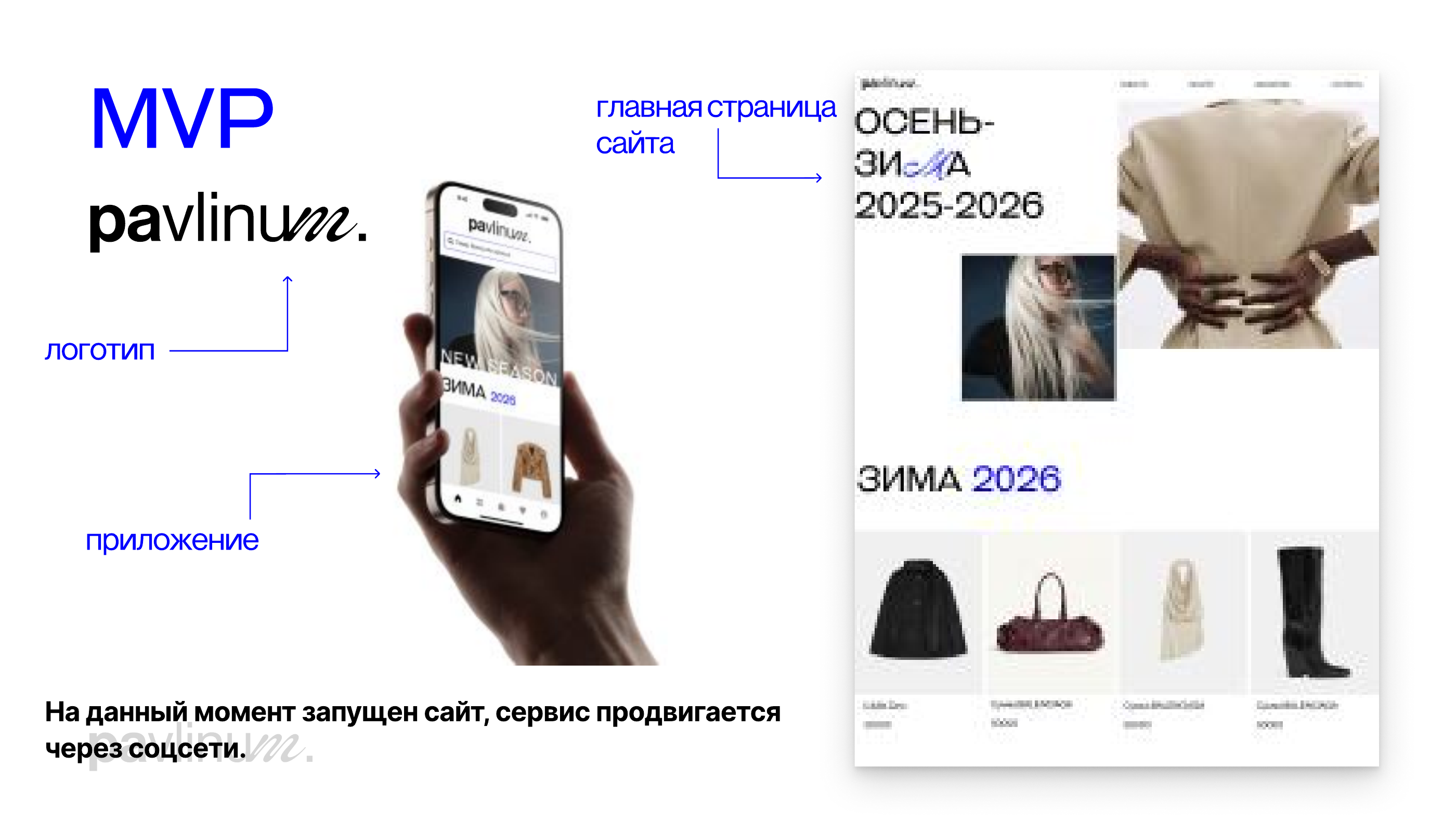
The final deck kept the MVP materials: the website home page, a logo and an app mock-up. The team described launching the site and promoting it through social media. These materials showed how the offer turns into a familiar scenario of choosing and ordering clothes.
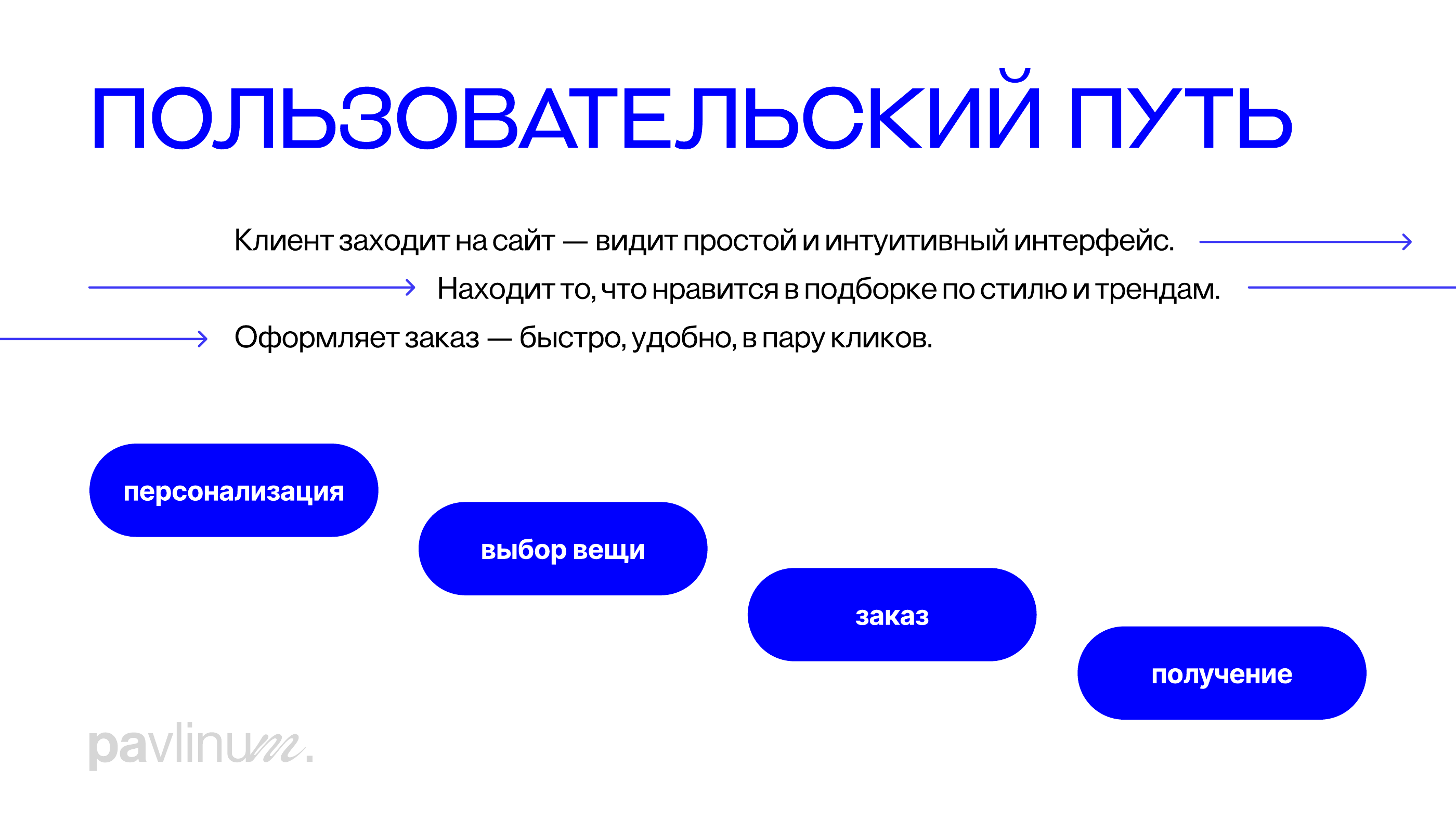
We split the path into four stages: personalisation → choosing an item → order → delivery. For each one we had to work out what information the person gets and what decision they make next. This connected selections, the interface and delivery into one product scenario.
How we built the business model
At the off-site the team worked on several connected parts of the project:
- Audience and offer: who benefits from selection and why someone would choose this collection.
- Channels: a Telegram storefront, visual content, Pinterest and work with small authors.
- Revenue: own drops, commission from partner brands and early access to selections.
- Economics: how acquisition, purchases, margin and repeat orders relate.
These options were the basis for discussion and the pitch. The financial model connected the average order value, variable costs, margin and fixed costs. The calculation helped discuss how many orders would be needed and which assumptions affect the economics most.
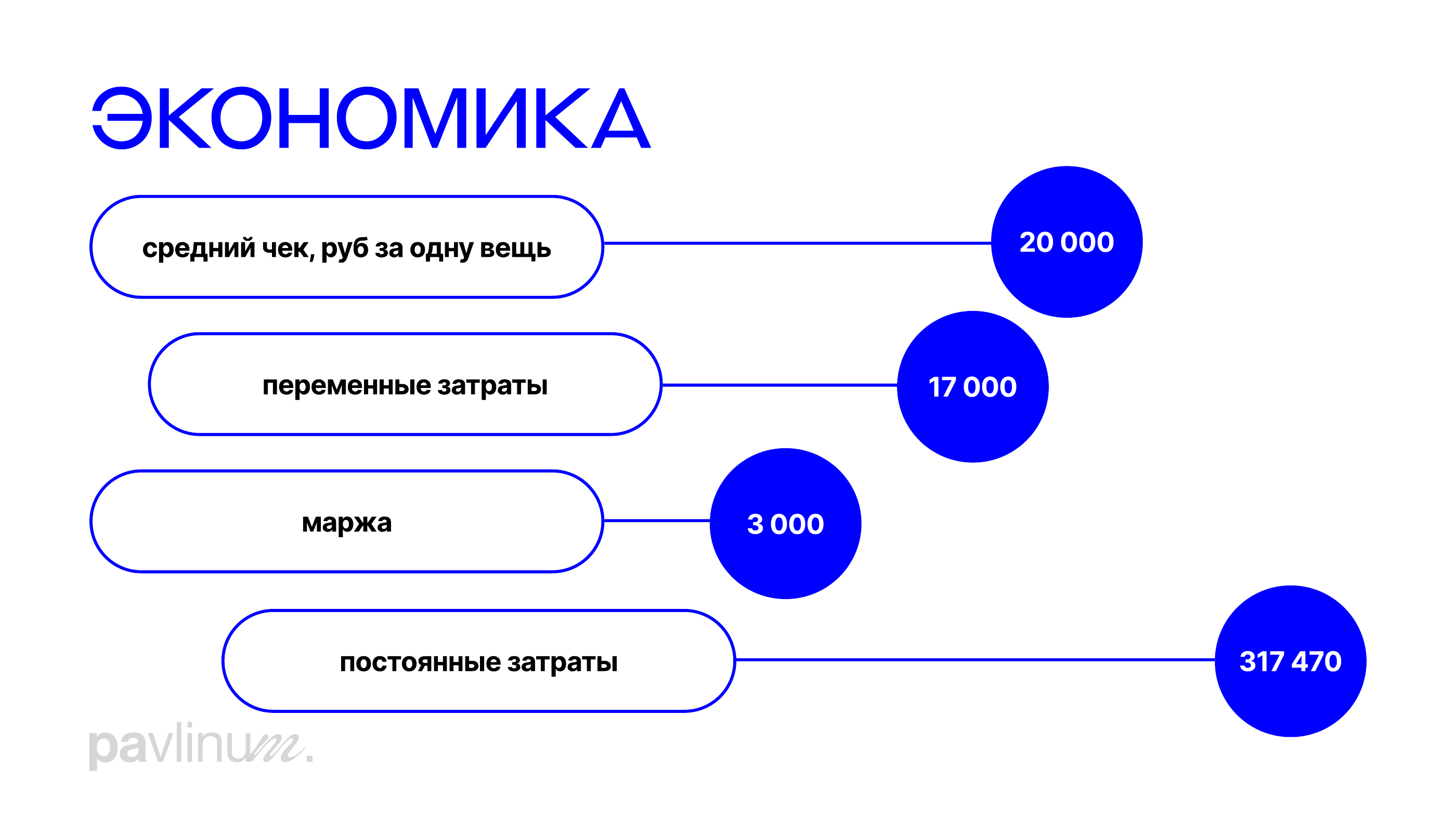
When aligning the model, the stated order threshold needed to be connected in more detail to the cost structure. We treated revenue, channels and forecasts as hypotheses for further testing.
How the programme went
In September I sent a video to the PROJECTOR selection. Then came classes, the first calls and preparing the project for pitching. By 14 October the team had passed the selection stage and was getting ready for the off-site.
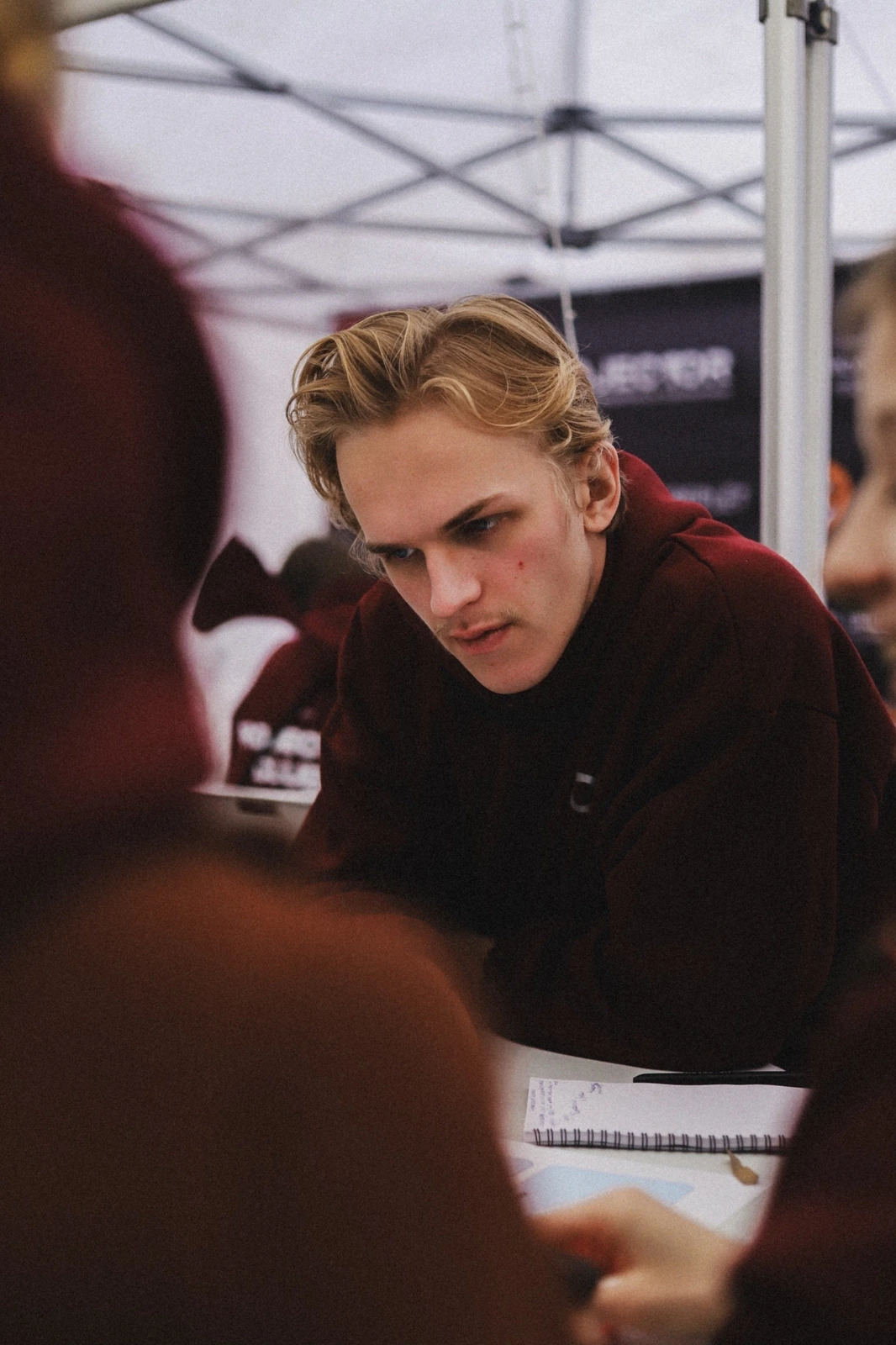
At the intensive in Streltsovo the work went through revisions and discussions: on 17 October the audience and roles around the product, on 18 October the business canvas and pitch preparation, on 19 October feedback. The programme ended on 19 October.
In a retrospective on 20 October I laid out the team’s whole path: from the first call and pitch to working together on the economics, design and marketing. This sequence helps assess a project as a whole: a good selection of clothes has to go with a clear offer, a way of attracting customers and working economics.
My experience in the team
I took part in preparing the team project and the pitch. The path included the first calls, selection, the off-site and joint work on the business model, design and marketing.
The most useful part for me was connecting decisions with each other. The offer depends on the chosen audience, content and channel depend on the offer, and the product’s economics depend on all of these. At the defence this whole chain had to be explained clearly and in order.
Result
The team passed selection and reached the final stage of the programme. We prepared the Pavlinum concept, refined it for the pitch and received feedback. I completed the 92-hour business design programme.