
CreatorOS at TON Winter Mini Hackathon: changing the idea after feedback
From a TON project for traders to a tool for content creators: a new idea, a pitch and a prototype during the hackathon.

Where I started
TON Winter Mini Hackathon ran from 4 to 18 December 2025. The organisers opened it with Idea Day on 4 December at IT Park Kazan, followed by online workshops, office hours and work on the products.
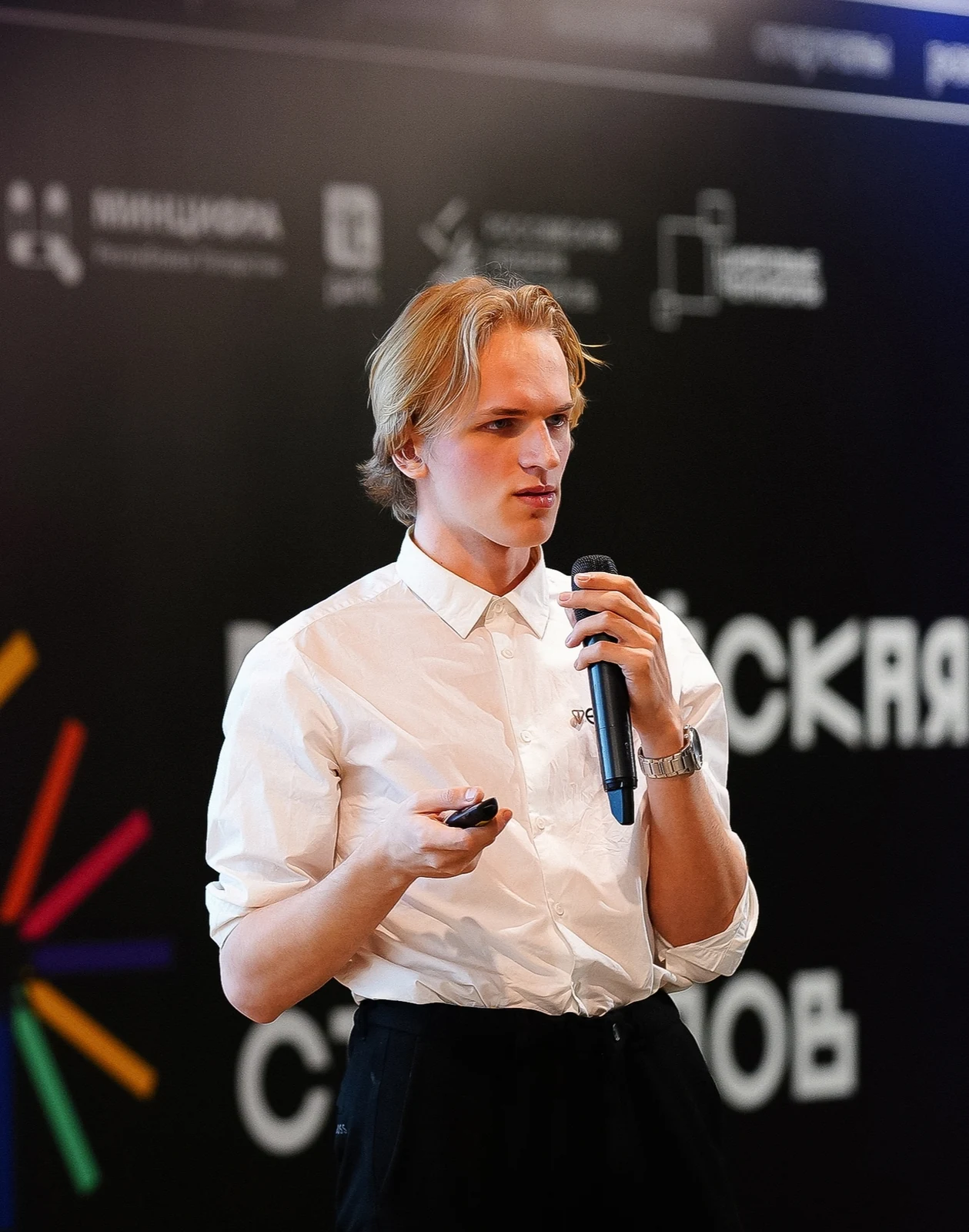
I came to the hackathon with a project for traders in the TON ecosystem. I presented it to the jury and got feedback on the product and the competition.
Why I changed direction
After the talk the weak spot of the idea became clearer. Even if TON has few similar solutions, that does not protect a product: an existing service may only need to add support for the network.
That was a reason to try another direction. During the hackathon I shaped CreatorOS, a tool that supports authors and influencers across Telegram and TON.
What I did
I built the pitch deck and a prototype of the new idea from scratch. The pitch connected the channel author’s problem, the product scenarios, the use of Telegram and TON, and further development. The deck came to 26 pages, from the user’s situation to the main modules and the product plan.
For me it was practice in moving quickly from jury comments to a different product hypothesis: rebuild the offer and present it to an audience within the event itself.

The problem behind CreatorOS
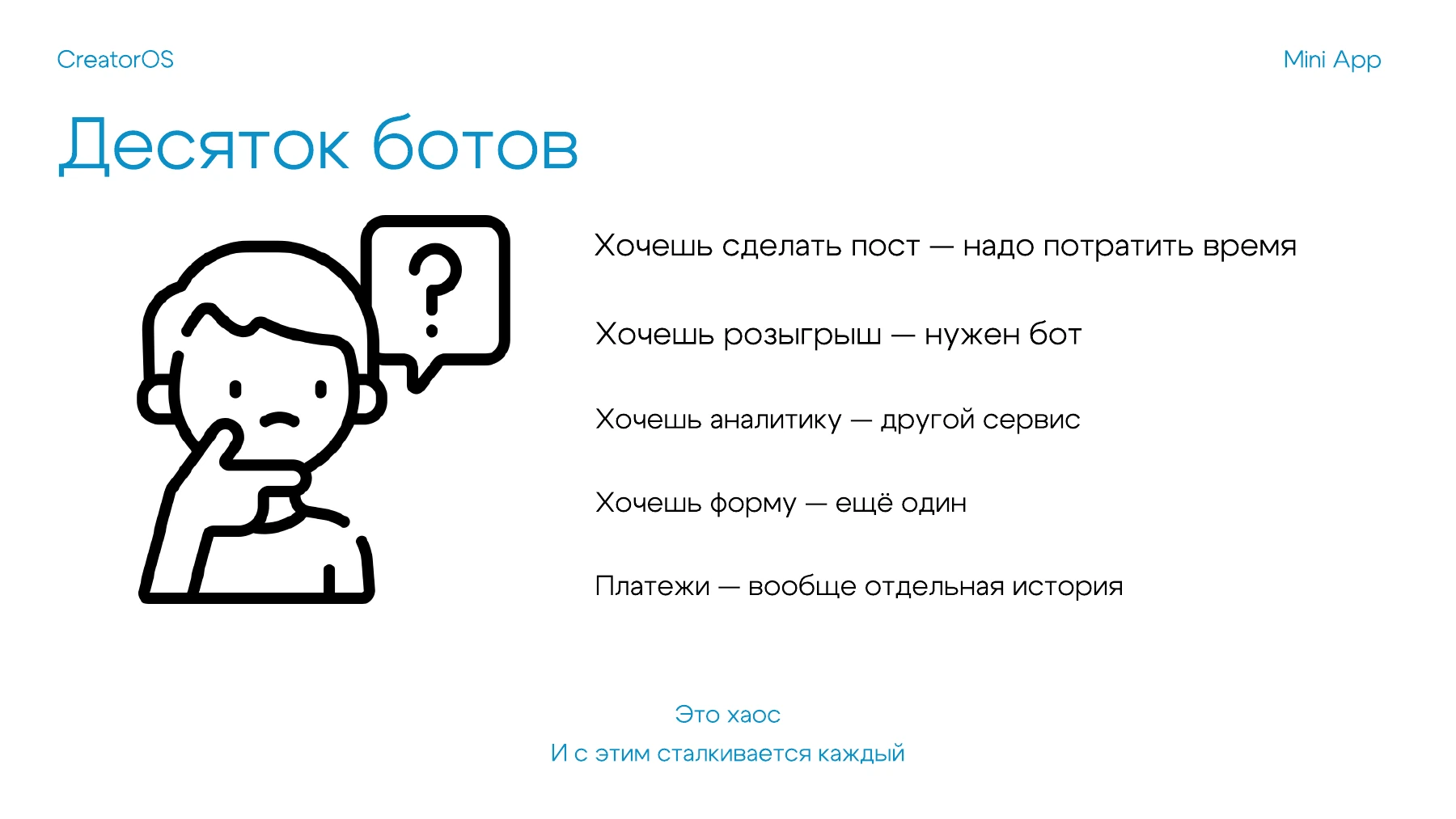
A channel author handles content, audiences, analytics and advertisers all at once. Each action often needs its own tool: one bot runs giveaways, another collects requests, a separate service shows analytics, and advertising agreements stay in chat messages.
The new concept focused on this switching. CreatorOS was meant to gather the main actions in a Telegram Mini App, so the author would have one place to manage a channel.
Scenarios in the concept
The deck covered several connected tasks:
- Content and audience: preparing posts, forms and engagement mechanics in one workspace.
- Giveaways: a separate module with conditions set in advance and a verifiable result. The pitch called it Trustless Raffle.
- Ad placements: linking the agreement, the payment and the publication. Ad Escrow was considered as part of the architecture for this scenario.
- Analytics and income: seeing the channel’s results and revenue next to the other tools.
Telegram is where the author already works and where the audience is. I treated TON as the basis for payment and contract scenarios. This helped explain why the product needs this ecosystem and which actions it connects.
What stayed in the roadmap
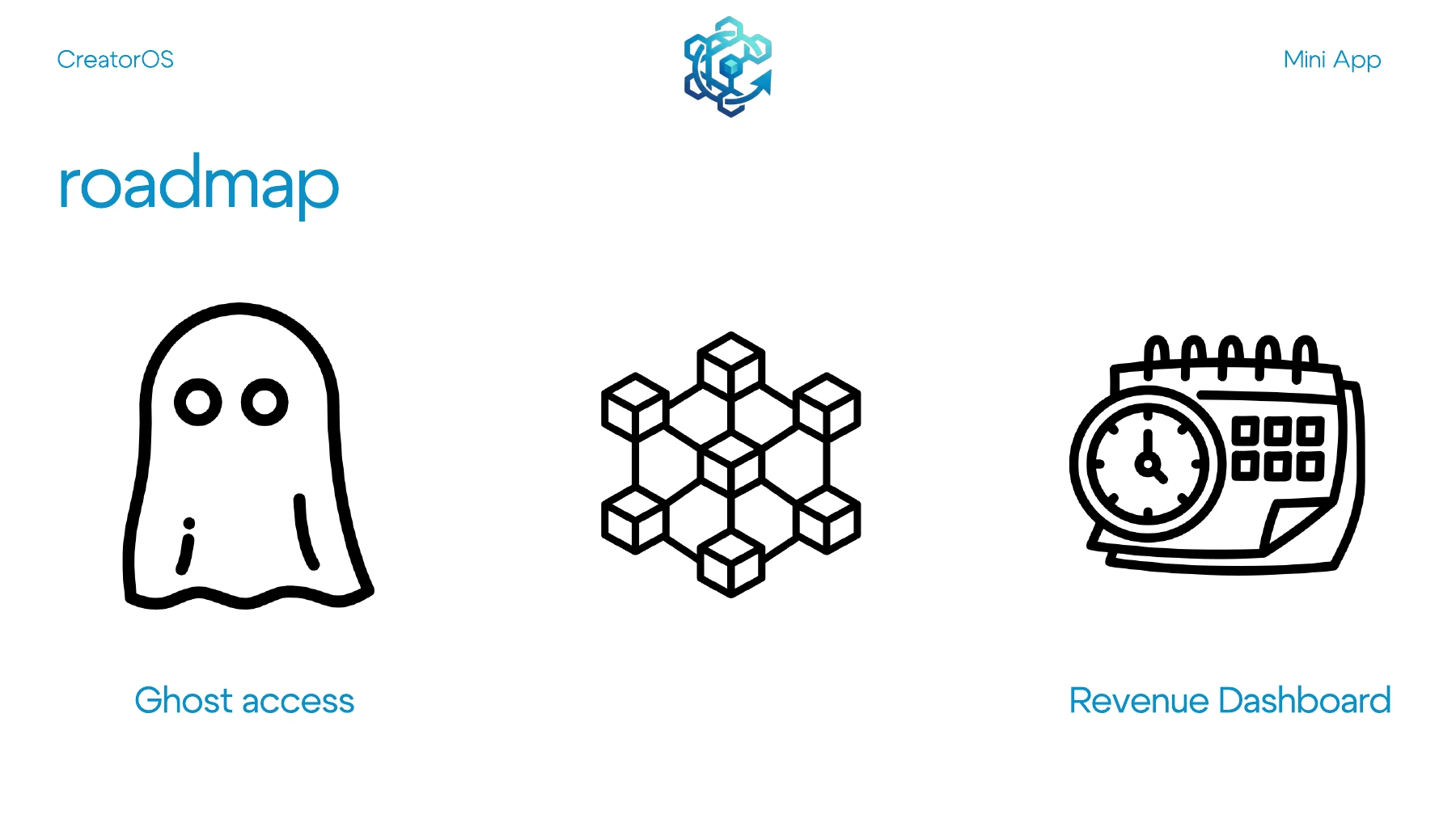
The plan singled out Ghost Access, delegating separate tasks, and Revenue Dashboard, an income panel. These were part of the concept’s further development. At the hackathon the first job was to put together a clear product story and a prototype that could be presented and discussed.
Result
The hackathon ended with 6th place out of 23 teams and 2nd place in the audience vote. The most useful parts were the discussions with the jury, working through the risks of the original idea and building the new direction.
This case keeps the whole path of changing a hypothesis: present a first idea, hear an objection, choose a different user scenario and build a prototype and pitch for it. The feedback changed the product itself as well as the slides.
Materials: TON CIS Hub report on the hackathon · audience vote · recording of the CreatorOS pitch.